Colour on a steel door is not a paint decision. It is a coating-system decision, and the coating system is what determines whether the colour still looks like the sample after three summers in the sun. This article explains how a factory-applied coating on a steel door is built up, how its durability is actually measured, and what to put in a specification so you get a colour that lasts.
Why factory coating beats site painting
A factory-applied coating is applied in a controlled environment to a prepared substrate, then cured at a controlled temperature. That produces a more uniform film, better adhesion and a more consistent colour than brush or spray work on site, where humidity, dust and operator technique all vary.
The word “powder” is often used loosely. Two distinct technologies are worth separating:
- Powder coating is applied as a dry, electrostatically charged powder and cured in an oven, typically in the region of 180 °C to 200 °C. The standard chemistry for steel doors is polyester; polyurethane and epoxy-polyester hybrids are used where a specific performance is wanted. Powder gives a relatively thick, tough, chip-resistant film with very low solvent content.
- PVDF (fluoropolymer) coatings are liquid-applied systems built for very long colour retention, and they are normally specified on architectural aluminium rather than on steel. For steel entry doors we specify polyester or polyurethane powder, which is the film chemistry that suits the substrate and the exposure; where a project calls for PVDF, tell us the facade or door it is going on and we will confirm the coating system that suits it.
How the coating system is built up
The colour coat is the visible part, but the layers beneath it decide whether it stays there.
- Pre-treatment. Degreasing, then a conversion coating — commonly zinc phosphate, or a chrome-free alternative where the market restricts chromates. This is the layer that gives the coating something to bond to and is the most common cause of premature failure when it is done badly.
- Primer. On steel, a corrosion-inhibiting primer, often zinc-rich, is used to slow rust creep from any point where the film is damaged.
- Colour coat. The powder or liquid topcoat carrying the pigment.
- Optional clear topcoat. A UV-absorbing clear layer over the colour, used where colour retention or chemical resistance is a priority.
If you are choosing between two suppliers and the price difference is large, the first thing to compare is the pre-treatment, not the paint brand.
Colour and finish options
- RAL and Pantone matching. RAL is the usual reference system for architectural metalwork in Europe and in many export markets. Ask for the match to be confirmed on a physical panel, not on screen — screens and light conditions change colour perception.
- Gloss level. Matte, satin and gloss finishes are separate from colour, and they behave differently. A very matte finish hides surface imperfections but shows scuffs and fingerprints; a gloss finish wipes clean but shows every undulation in the steel underneath.
- Dark colours. Dark tones absorb more solar heat, which increases thermal movement and puts more demand on the coating, and they make surface scratches more visible. They are entirely workable; they just warrant a better coating system rather than a cheaper one.
- Two-tone. A dark or bold exterior face with a neutral interior face is a common and practical way to get the street presence without making the interior side of the door visually heavy.
- Texture. Fine-texture finishes hide minor damage well and are popular on high-traffic entrances.
How durability is actually measured
This is the part of the conversation where promotional claims are usually separable from engineering claims. Each property has a test, and the result is a number. Ask for the test and the number, not the adjective.
| Property | Typical test method | What it tells you |
|---|---|---|
| Corrosion resistance | Salt spray, ASTM B117 or ISO 9227 | Hours of exposure before blistering or creep from a scribe |
| Colour and gloss retention | Accelerated weathering, ASTM G154 or ISO 16474 | Change in colour and loss of gloss after a defined UV exposure |
| Adhesion | Cross-hatch, ASTM D3359 or ISO 2409 | Whether the film stays bonded when cut and pulled |
| Impact resistance | Falling-weight impact, ASTM D2794 | Resistance to chipping and cracking from impact |
| Film hardness | Pencil hardness, ASTM D3363 | Resistance to scratching and abrasion |
| Film thickness | Dry film thickness measurement | A total-film figure is meaningless without the layers broken out |
The dry film thickness figure deserves a specific mention. A single quoted number usually means a total system thickness; a specification that names the required thickness of each layer is far more useful, because a thick colour coat over a missing primer is not a corrosion system.
What actually degrades a coating in service
- Cut edges and drilled holes. Coating does not wrap into a sheared edge or the inside of a drilled hole. This is where rust starts on almost every coated steel door. Specify how edges and fixings are treated on site, and ask for a touch-up kit in the correct colour.
- Fixing hardware. Dissimilar metals in contact cause galvanic corrosion. Use stainless or correctly isolated fixings, and specify them rather than leaving it to the installer.
- Alkaline run-off. Water that has run over fresh concrete or cement render carries alkalis that attack many coatings. This is a real cause of facade staining and is worth planning around.
- Coastal salt. Salt accelerates corrosion and is the reason a coastal project should specify a heavier coating system and better edge protection than an inland one.
- Cleaning. Abrasive cleaners and aggressive solvents remove the gloss first and the colour shortly afterwards. Specify a cleaning method with the coating.
What to put in the specification
- Substrate and edge preparation, including how cut edges are treated.
- Pre-treatment type — phosphate, or chrome-free where chromates are restricted in your market.
- Coating chemistry: polyester powder, polyurethane powder or a liquid fluoropolymer system.
- Dry film thickness, broken out by layer.
- Colour reference — RAL or Pantone code — confirmed on a physical sample panel.
- Gloss level as a percentage.
- The test evidence for corrosion and weathering, with the standard named and the result in numbers.
- Touch-up materials in the correct colour, supplied with the doors.
What we produce
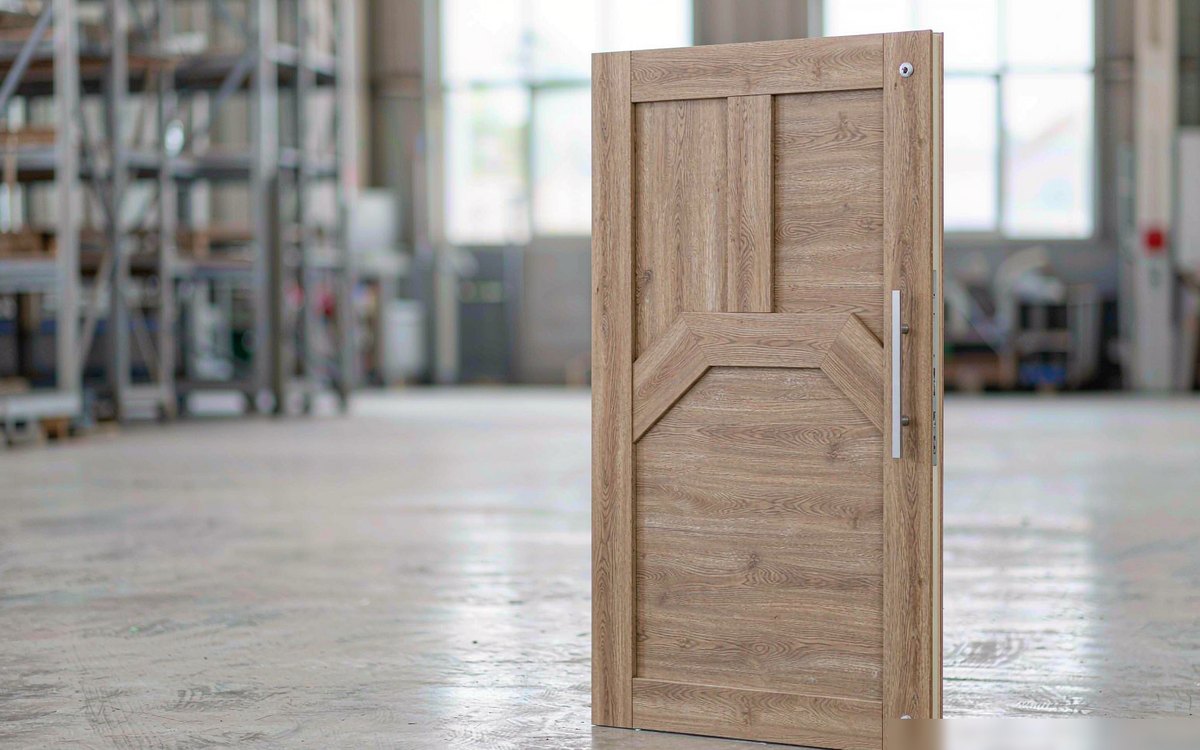
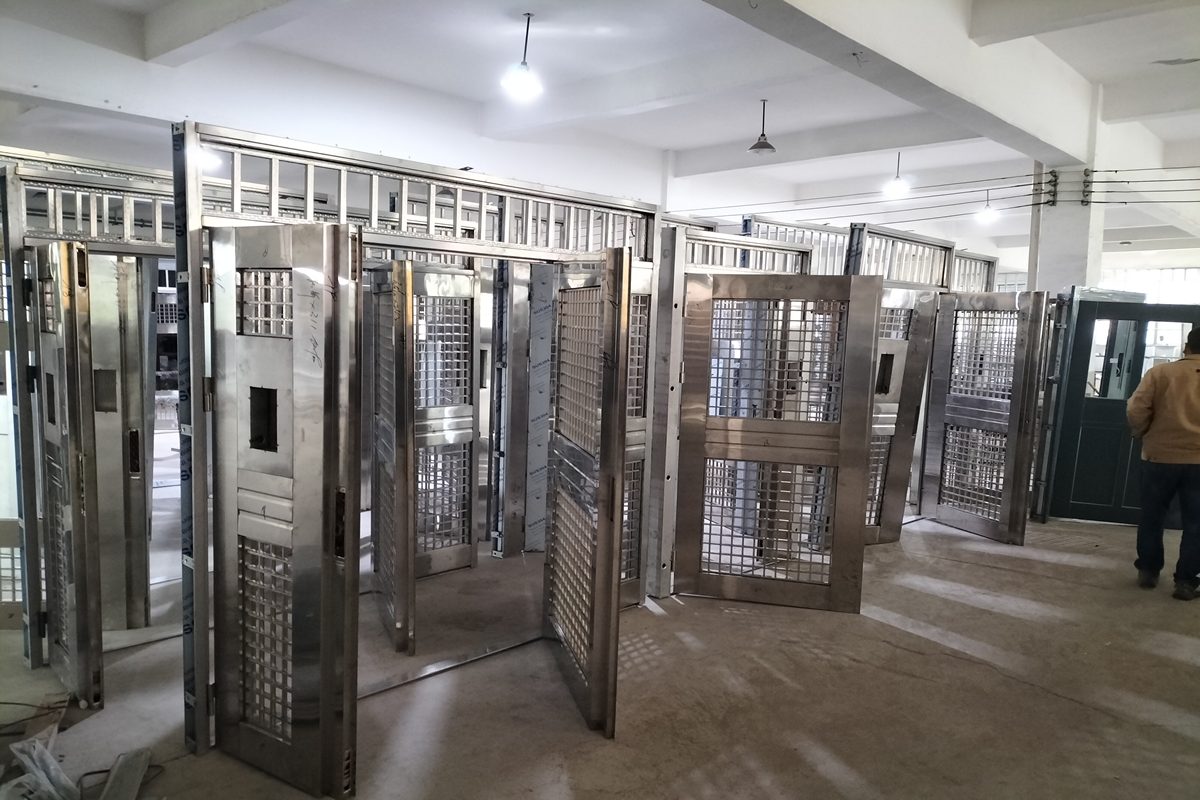
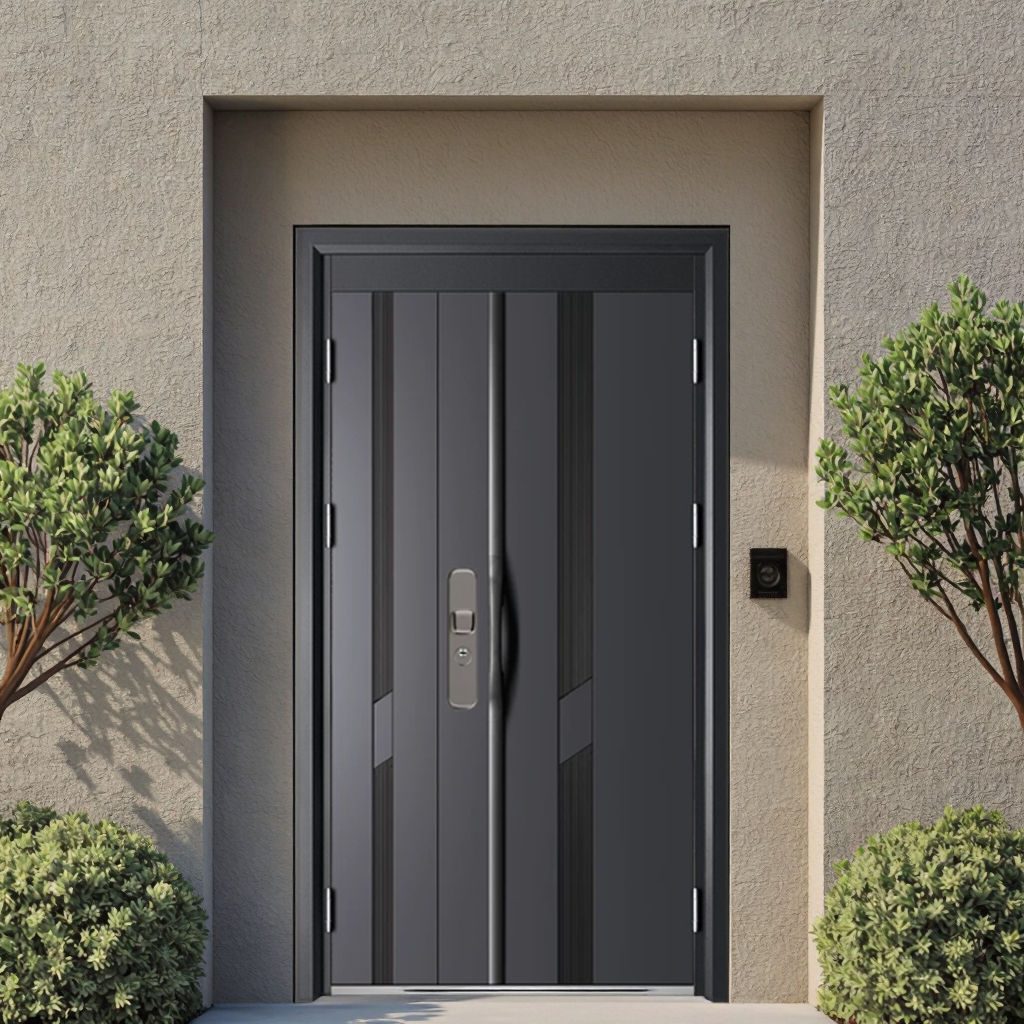
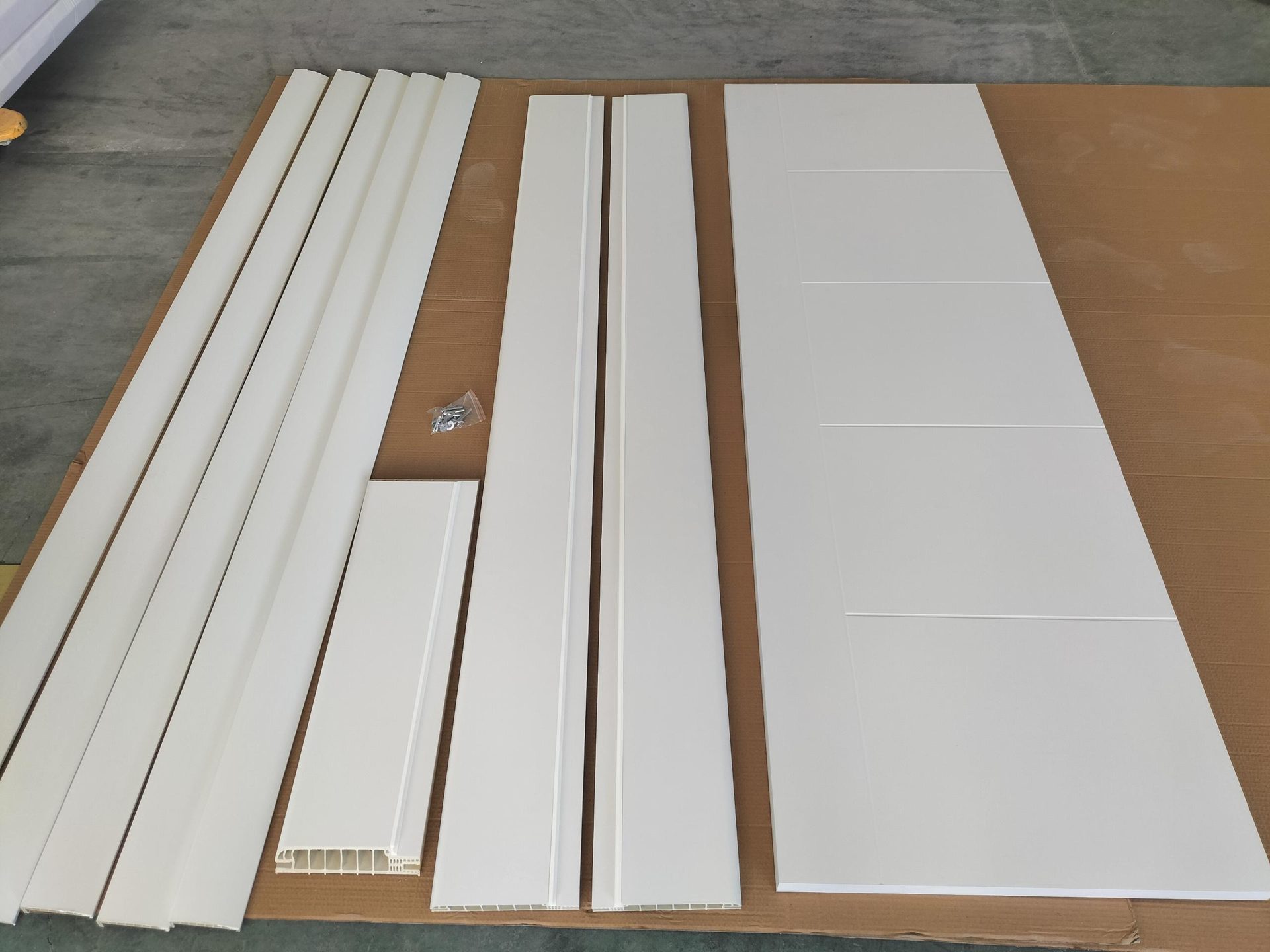
We manufacture steel and steel-wood entry doors as well as WPC, PVC and wood interior door systems, and our doors are supplied factory-finished. Colour availability on a given product line is worth asking about directly rather than assuming, because the coating system that can be applied depends on the substrate and the production line — ask us for the current colour card and the coating specification for the door you are considering.
For the doors themselves, the figures that decide how they behave in a hot, humid or coastal market are on the specification checklist, and this guide explains why moisture and UV exposure are the two things worth designing against.
Next step: Send us the application, the destination climate, the colour reference and the quantity, and we will confirm the available coating specification and sample availability.
Explore our WPC door range · See our core materials · About our factory